Rosacea and Facial Redness: When Is Laser the Right Treatment?
Posted on 1st April 2026 by Dr Yusra Al-Mukhtar
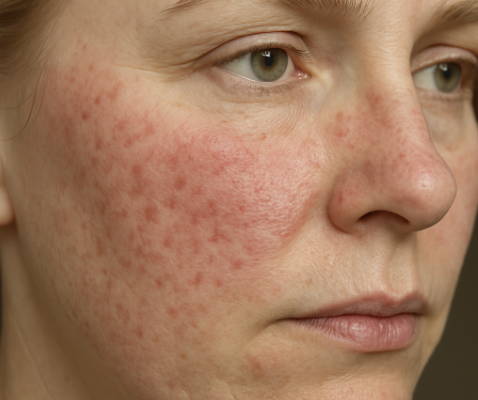
Persistent facial redness can be frustrating, confusing, and difficult to manage. Many people assume that laser treatment is the only solution for rosacea, but the reality is more nuanced. The right treatment for rosacea and facial redness depends on understanding the underlying cause, repairing the skin barrier, and carefully choosing the appropriate therapies. Laser can play a role, but it is rarely the first step.
At Dr Yusra Clinic, we often see patients who have been struggling with redness, flushing, or sensitive skin for years. Many have tried multiple skincare products or treatments without lasting improvement. The key is understanding that rosacea is not simply a cosmetic concern. It is a chronic inflammatory skin condition that requires a medically guided approach.
In this guide, we explore what causes rosacea, when laser treatment may be appropriate, and why skincare and skin barrier repair are essential before considering advanced treatments.
What Causes Rosacea and Facial Redness?
Rosacea is a chronic inflammatory skin condition that typically affects the central face, including the cheeks, nose, forehead, and chin. It often begins with intermittent flushing but can gradually progress into persistent redness and visible blood vessels.
Several biological mechanisms contribute to rosacea.
Understanding the Different Types of Rosacea
Rosacea presents in several different forms, and identifying the subtype is essential for choosing the correct treatment.
Common types include:
- Erythematotelangiectatic rosacea – persistent redness and visible blood vessels
- Papulopustular rosacea – redness with acne-like breakouts
- Phymatous rosacea – thickened skin, typically affecting the nose
- Ocular rosacea – inflammation affecting the eyes and eyelids
Each type requires a slightly different management strategy.
Why Blood Vessels Become Visible
One of the defining features of rosacea is vascular instability. Blood vessels in the skin dilate more easily and remain enlarged for longer periods. Over time, this can lead to visible capillaries and chronic redness.
Triggers such as heat, stress, alcohol, and sunlight can repeatedly stimulate these vessels, worsening inflammation and redness.
Common Triggers That Worsen Rosacea
Patients often notice flare-ups after exposure to certain triggers, including:
- Sun exposure
- Alcohol consumption
- Spicy foods
- Temperature changes
- Emotional stress
- Aggressive skincare products
Understanding personal triggers is an important part of managing rosacea long term.
Why Treating Rosacea Requires More Than Just Laser
Many people searching online for rosacea laser treatment assume that laser is the primary solution. While lasers can improve visible vessels and redness in some cases, treating rosacea successfully requires addressing deeper skin health factors.
The Role of Skin Barrier Dysfunction
Rosacea-prone skin typically has a compromised barrier. This means the skin struggles to retain moisture and protect itself from environmental irritants.
When the barrier is weakened, inflammation increases, which leads to more redness and sensitivity.
Strengthening the barrier through medical grade skincare for rosacea and sensitive skin is therefore an essential first step.
Why Inflammation Must Be Controlled First
Inflammation sits at the centre of rosacea. If the skin is inflamed, reactive, and fragile, aggressive treatments may worsen symptoms rather than improve them.
A medically guided plan often begins with calming the skin using:
- anti-inflammatory skincare
- barrier-repair ingredients
- gentle treatment protocols
Only once the skin is stable should more advanced treatments be considered.
Why Jumping Straight to Laser Can Make Rosacea Worse
Laser treatments target blood vessels, but if the skin barrier is compromised or the inflammation level is high, treatment may cause increased sensitivity or temporary worsening of redness.
This is why at Dr Yusra Clinic we prioritise a consultation-led approach to diagnosing and treating inflammatory skin conditions, ensuring treatments are introduced in the safest order.
When Is Laser Treatment the Right Option?
Although laser is not always the first treatment step, it can be highly effective when used appropriately.
Persistent Broken Capillaries
When visible capillaries remain on the skin despite good skincare and inflammation control, laser treatments can help target the vessels responsible for redness.
Diffuse Facial Redness
For patients with persistent flushing or widespread redness, light-based treatments may reduce vascular activity and improve overall skin tone.
Rosacea That Has Not Responded to Skincare Alone
If a patient has already stabilised their skin barrier but continues to experience redness, laser therapy may become a suitable option as part of a broader treatment plan.
However, the decision should always be made following a professional skin consultation to assess redness and sensitivity, ensuring the most appropriate approach for the individual patient.
The Importance of Medical Skincare for Rosacea
One of the most effective ways to manage rosacea is through carefully selected skincare. The right products can significantly reduce redness, strengthen the skin barrier, and prevent flare-ups.
Ingredients That Calm Redness
Certain ingredients are particularly beneficial for rosacea-prone skin.
Examples include:
- Niacinamide, which reduces inflammation and improves barrier function
- Azelaic acid, known for calming redness and reducing breakouts
- Ceramides, which restore the skin barrier
- Green tea extract, an antioxidant with anti-inflammatory properties
These ingredients are often included in medical skincare routines designed for rosacea and sensitive skin.
Barrier Repair and Skin Health
Healthy skin acts as a protective shield. When the barrier is repaired, the skin becomes less reactive and better able to tolerate environmental stress.
Barrier repair often involves:
- gentle cleansing
- hydration support
- avoidance of harsh exfoliants
Daily SPF Protection
Sun exposure is one of the most common rosacea triggers. UV radiation increases inflammation and can worsen redness.
Daily SPF use is therefore essential for preventing flare-ups and protecting the skin long term.
Rosacea Do’s and Don’ts
Understanding how to care for rosacea-prone skin at home can make a significant difference.
Do: Protect Your Skin Barrier
Choose gentle skincare products that hydrate and support the skin.
Do: Use Medical Skincare
Professional-grade formulations often contain higher-quality active ingredients designed for sensitive skin.
Don’t: Over Exfoliate
Excessive exfoliation can damage the skin barrier and worsen redness.
Don’t: Ignore Triggers
Keeping track of triggers such as alcohol, heat, or spicy foods can help reduce flare-ups.
Treatment Options for Facial Redness
Managing rosacea effectively often requires a layered approach.
Medical Skincare
Medical-grade skincare remains the foundation of rosacea management.
LED Light Therapy
LED light therapy may help calm inflammation and support skin healing.
Barrier Repair Treatments
Skin-repair treatments can strengthen the skin and reduce sensitivity.
Consultation-Led Treatment Planning
The most important step is identifying the underlying cause of redness and designing an individualised plan. At Dr Yusra Clinic in Manchester, Liverpool and London, treatment plans are always tailored to the patient’s skin condition, lifestyle, and long-term goals.
Why a Consultation Matters for Rosacea Treatment
Rosacea is complex, and no two patients experience it in exactly the same way.
During a consultation, a practitioner will assess:
- the subtype of rosacea
- the condition of the skin barrier
- vascular activity and redness pattern
- lifestyle triggers
From there, a personalised treatment plan can be created, combining skincare, lifestyle adjustments, and appropriate in-clinic treatments.
Award-Winning Aesthetic Excellence
Dr. Yusra Al-Mukhtar has been recognised as the Best Medical Aesthetic Practitioner of the Year for three consecutive years, a prestigious honour awarded for exceptional clinical expertise, patient outcomes, safety standards, and dedication to aesthetic excellence.
She is also the first medical practitioner to be inducted into the Aesthetic Medicine Wall of Fame, recognising her leadership and influence within the aesthetic medicine field both in the UK and internationally.
At Dr Yusra Clinic, we are proud to have also been named Best Aesthetic Clinic in the North of England and Best Clinical Team three times, recognising our commitment to the highest standards of patient care and science-led aesthetic treatments.
If you are searching for an award-winning aesthetic clinic known for natural results, advanced techniques, and patient-centred care, you are in expert hands with Dr Yusra Clinic.
FAQs
Can rosacea be treated without laser?
Yes. Many patients improve significantly with medical skincare, barrier repair treatments, and lifestyle adjustments before laser treatments are considered.
What is the best skincare routine for rosacea?
A gentle routine including barrier-repair ingredients, anti-inflammatory products, and daily SPF protection is typically recommended.
Why does my face stay red all the time?
Persistent redness is often caused by chronic inflammation, vascular dilation, or an impaired skin barrier.
Does laser permanently cure rosacea?
Laser treatments can reduce visible redness and blood vessels, but rosacea is a chronic condition that requires ongoing management.
When should I see a specialist for facial redness?
If redness persists for several months, worsens, or causes discomfort, a professional consultation can help identify the underlying cause and the most appropriate treatment.

Dr Yusra Al-Mukhtar
Dr Yusra is a distinguished dental surgeon and a skilled medical aesthetic clinician with a wealth of experience in maxillofacial head and neck surgery and skin cancer surgery. She holds an impressive academic background, having graduated with first-class honours in Medical Science and Healthcare Management from Imperial College London and earned Honours and Distinction as a dental surgeon from King’s College London.Dr Yusra is a Level 7 Trainer in medical aesthetics, in line with Ofqual guidelines, and is renowned for her expertise in providing natural-looking non-surgical facelifts and a range of aesthetic treatments. Her commitment to patient well-being and safety is unwavering, making her a trusted practitioner in the field.