Skin Barrier Repair: Why Damaged Skin Needs a Medical Approach
Posted on 13th July 2026 by Dr Yusra Al-Mukhtar
The term “skin barrier repair” has become increasingly common across social media and skincare marketing, but in clinic we often see patients who have spent months trying to repair their skin with trending products alone, only to find their skin becoming more reactive, inflamed, and uncomfortable.
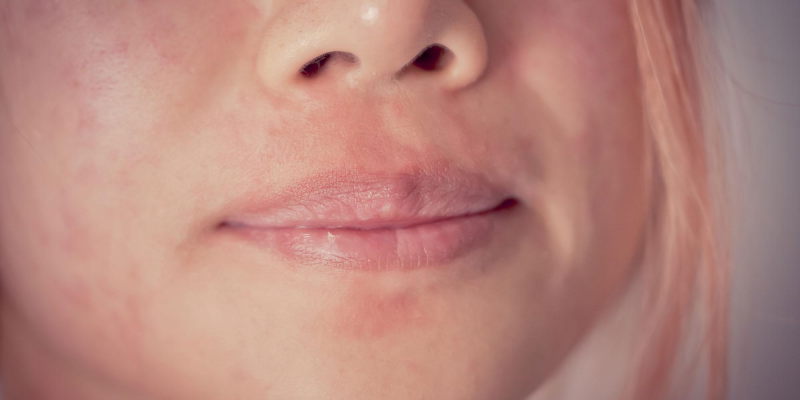
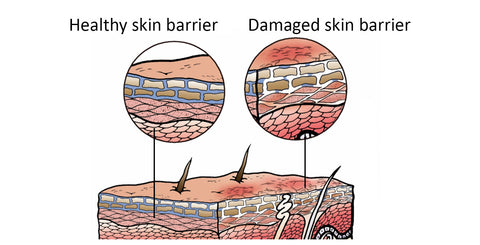
A damaged skin barrier is not simply dry skin. It is a disruption in the skin’s ability to protect itself properly. Once that barrier function becomes impaired, the skin struggles to retain hydration, regulate inflammation, and defend against irritants. That is when problems such as redness, stinging, breakouts, rough texture, and persistent sensitivity begin to appear.
For some patients, simplifying their skincare routine is enough. For others, particularly when the barrier has been compromised for months or years, a more medical approach is needed to restore healthy skin function properly.
At Dr Yusra Clinic, patients visiting our Liverpool and London clinics are often surprised to learn that many chronic skin concerns are rooted in barrier dysfunction rather than “bad skin” itself.
What does a damaged skin barrier look like?
One of the difficulties with skin barrier damage is that it rarely presents in the same way for every patient. Some people develop dryness and flaking. Others experience acne-like breakouts, burning sensations, redness, itching, or sudden sensitivity to products they previously tolerated well.
A common mistake patients make is assuming they need stronger active skincare when their skin becomes congested or textured. In reality, overuse of acids, retinoids, scrubs, and harsh cleansers is one of the most common causes of barrier impairment.
In clinic we frequently see barrier damage linked to:
- Over-exfoliation
- Excessive use of active skincare ingredients
- Aggressive acne treatments
- Environmental stress and pollution
- Hormonal skin changes
- Incorrect treatment selection
- Excessive heat exposure
- Post-inflammatory irritation after aesthetic procedures
What tends to happen is that the skin enters a cycle of chronic inflammation. Patients then keep adding more products in an attempt to “fix” the issue, which worsens the problem further.
Can skincare alone repair the skin barrier?
For mild cases, simplifying your skincare routine and introducing barrier-supportive products can help significantly. However, when the skin has ongoing inflammation, redness, dehydration, pigmentation, or texture changes, skincare alone is often not enough.
A clinically led approach helps identify what is actually driving the barrier dysfunction, whether that is rosacea, acne, hormonal changes, or chronic inflammation. Treatment choice depends on the condition of the skin itself. For very reactive skin, we would usually focus first on calming inflammation and restoring hydration before considering more advanced regenerative or resurfacing treatments.
Why medical-grade skincare matters for skin barrier repair
One of the biggest differences between standard skincare and professionally prescribed skincare is formulation strength and delivery.
At Dr Yusra Clinic, we offer Medical Grade Skincare Treatments as part of a personalised treatment plan rather than a one-size-fits-all routine.
Medical-grade skincare uses clinically proven ingredients at concentrations designed to actively improve skin function. More importantly, the products are selected according to your skin condition, sensitivity level, pigmentation risk, and treatment goals.
For barrier repair, this often includes:
- Controlled hydration support
- Anti-inflammatory ingredients
- Barrier-strengthening lipids and ceramides
- Prescription-strength actives used carefully and progressively
- Pigmentation control where inflammation has triggered uneven tone
In practice, less is often more initially. Many patients arrive using ten or more products, when their skin actually needs a simpler, medically guided routine.
Which aesthetic treatments help repair damaged skin?
Not every aesthetic treatment is suitable for compromised skin. Timing, skin condition, and treatment intensity all matter.
The goal is not simply to exfoliate the skin. True skin barrier repair focuses on restoring healthier skin function while improving hydration, inflammation, collagen production, and resilience.
Skin Boosters for Dehydration and Inflammation
For patients concerned about a damaged skin barrier, dehydration, or ongoing skin sensitivity, Skin Booster Treatments available at our Manchester clinic can play an important role in restoring healthier skin function.
Skin boosters, such as Sunekos, use stabilised hyaluronic acid delivered through precise microinjections to improve hydration within the skin itself rather than simply sitting on the surface. This makes them particularly beneficial for skin that feels persistently dry, tight, dull, or irritated.
We often recommend skin boosters when barrier damage has left the skin looking fragile, crepey, or chronically dehydrated. Patients commonly notice improved hydration, smoother texture, reduced tightness, greater skin resilience, and a healthier overall glow.
At our Manchester clinic, skin boosters are frequently incorporated into personalised skin health programmes, particularly for patients whose skin has not responded to topical skincare alone. For milder cases, they may be combined with Medical Grade Skincare. Where barrier damage is more significant, we often take a staged approach, restoring hydration and calming inflammation first before progressing to more advanced skin rejuvenation treatments where appropriate.
LED Light Therapy for calming reactive skin
LED Light Therapy is frequently underestimated in skin barrier repair. For patients with inflamed, irritated, or sensitised skin, it can help calm inflammation and support healing without physically stressing the skin further. This tends to work particularly well after flare-ups caused by overuse of active skincare or following periods of skin irritation.
In more reactive patients, we often combine LED Light Therapy with professional skincare plans and gentle hydrating treatments before progressing further.
Chemical Peels and Skin Peels for damaged texture and congestion
There is a misconception that all peels damage the skin barrier. In reality, correctly selected professional peels can improve barrier function over time by restoring healthier cell turnover and reducing chronic inflammation. The key is choosing the correct peel and introducing it at the right stage.
At Dr Yusra Clinic we offer Chemical Peels and Skin Peels tailored to different skin conditions and levels of sensitivity. For patients with damaged barriers, aggressive peeling is rarely the answer.
Instead, we would usually start with gentler peels designed to:
- Reduce inflammation
- Improve hydration retention
- Clear congestion carefully
- Support smoother skin renewal
- Brighten dull or uneven skin tone
Once the barrier becomes more stable, treatment plans can gradually progress to address pigmentation, acne scarring, or textural irregularities more effectively.
Can microneedling help repair the skin barrier?
Patients are often surprised to hear that controlled skin stimulation can improve barrier health long-term. Microneedling works by creating controlled micro-injuries that stimulate collagen production and skin regeneration.
When performed correctly on appropriately prepared skin, treatments such as Microneedling, SkinPen Microneedling, and Secret PRO can improve:
- Acne scarring
- Rough texture
- Enlarged pores
- Fine lines
- Skin resilience
- Overall skin quality
However, timing is crucial. If the barrier is acutely inflamed or highly sensitised, microneedling too early can worsen irritation. That is why medical assessment matters. In practice, we often spend several weeks improving hydration and calming inflammation before introducing regenerative treatments.
For more stubborn cases involving acne scarring or advanced texture changes, combining regenerative treatments with medical-grade skincare tends to deliver the strongest long-term results.
Why personalised treatment plans matter
One of the biggest misconceptions around skin barrier repair is that there is one “perfect” treatment.
In reality, treatment plans vary considerably depending on:
- Severity of barrier damage
- Skin type and ethnicity
- Presence of acne or rosacea
- Pigmentation risk
- Previous treatments
- Sensitivity levels
- Lifestyle and environmental factors
A patient with mild dehydration and sensitivity needs a very different approach to someone with years of chronic inflammation, acne scarring, and pigmentation. This is why medically led assessment is so important. Rather than chasing trends, the focus should be on restoring healthy skin function safely and progressively.
Dr Yusra Al-Mukhtar has been recognised as Best Medical Aesthetic Practitioner of the Year for three consecutive years and inducted into the Aesthetic Medicine Wall of Fame. Dr Yusra Clinic has also been named Best Aesthetic Clinic in the North of England and Best Clinical Team three times.
Frequently Asked Questions
How long does skin barrier repair take?
Mild barrier damage can improve within a few weeks. More significant barrier dysfunction often takes several months, particularly if inflammation or pigmentation is involved.
What are the signs of a damaged skin barrier?
Common signs include redness, dryness, burning, sensitivity, breakouts, itching, rough texture, and skin that suddenly reacts to products.
Can over-exfoliation permanently damage the skin barrier?
Most skin barrier damage can improve with appropriate treatment and skincare. However, repeated chronic inflammation can contribute to longer-term sensitivity and pigmentation issues.
Are chemical peels safe for damaged skin?
When selected correctly and performed by experienced practitioners, professional peels can support healthier skin renewal. The type and strength of peel must match the skin condition.
What treatment works best for skin barrier repair?
There is no single treatment suitable for every patient. The best results usually come from combining medical-grade skincare with treatments tailored to the skin’s condition and sensitivity.
Book a Consultation
If your skin feels persistently irritated, dehydrated, reactive, or inflamed despite trying different skincare products, a medical assessment can help identify what is actually driving the problem.
At Dr Yusra Clinic, treatment plans are tailored according to your skin condition, barrier health, and long-term goals. Patients travel to our Liverpool and London clinics for medically led skin treatments designed to restore healthier, stronger, more resilient skin.
Book a consultation to discuss a personalised skin barrier repair treatment plan with the team.

Dr Yusra Al-Mukhtar
Dr Yusra is a distinguished dental surgeon and a skilled medical aesthetic clinician with a wealth of experience in maxillofacial head and neck surgery and skin cancer surgery. She holds an impressive academic background, having graduated with first-class honours in Medical Science and Healthcare Management from Imperial College London and earned Honours and Distinction as a dental surgeon from King’s College London.Dr Yusra is a Level 7 Trainer in medical aesthetics, in line with Ofqual guidelines, and is renowned for her expertise in providing natural-looking non-surgical facelifts and a range of aesthetic treatments. Her commitment to patient well-being and safety is unwavering, making her a trusted practitioner in the field.