
Pigmentation Prevention Starts Now: Why Spring Is Critical for Skin Health
Posted on 6th April 2026 by Dr Yusra Al-Mukhtar
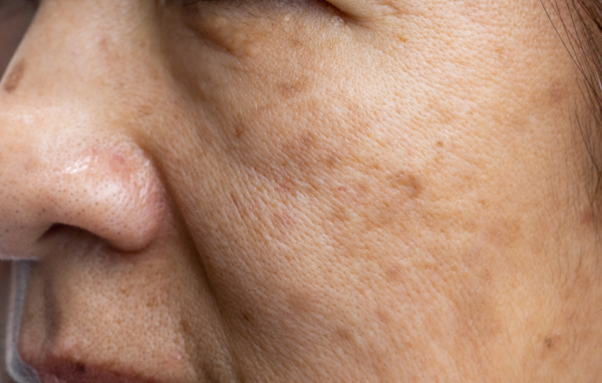
If you are concerned about pigmentation, the most important step is not treating it after it appears. The most effective strategy is preventing it before it develops. Spring is the critical window where pigmentation prevention should begin. As sunlight intensifies and UV exposure increases, the skin becomes more vulnerable to melanin production. Without the right skincare, protection, and treatment timing, pigmentation such as melasma, sun spots, and uneven skin tone can worsen rapidly.
At Dr Yusra Clinic, we often explain to patients that pigmentation is easier to prevent than it is to correct. Many people wait until summer or autumn to address dark spots and discolouration. However, the most strategic time to protect the skin and prevent pigmentation flare ups is during spring, when environmental changes begin to stimulate melanocyte activity.
Understanding how UV exposure, inflammation, and seasonal skincare influence pigmentation can make a significant difference in maintaining healthy, even toned skin throughout the year.
Why Spring Is a Critical Time for Pigmentation Prevention
Spring represents a transition period for the skin. After months of winter weather, the skin barrier is often compromised, dehydrated, and more sensitive to environmental stressors. At the same time, daylight hours increase and ultraviolet radiation becomes stronger.
Even when temperatures feel mild, UV radiation during spring can stimulate melanin production, particularly in individuals prone to pigmentation disorders such as melasma or post inflammatory hyperpigmentation.
For this reason, spring is the ideal time to implement professional skin treatments for pigmentation prevention and skin health, ensuring the skin is protected before sun exposure intensifies during summer.
Understanding Why Pigmentation Develops
Pigmentation occurs when melanocytes in the skin produce excess melanin in response to various triggers. This process is often stimulated by inflammation or UV exposure.
Sun Exposure and Melanin Activation
Ultraviolet radiation is the most significant trigger for pigmentation. When the skin is exposed to UV light, melanocytes increase melanin production as a protective response.
Over time, repeated UV exposure can lead to:
- sun spots
- uneven skin tone
- melasma
- persistent hyperpigmentation
Even short periods of unprotected sun exposure can stimulate this process.
Hormones and Pigmentation
Hormonal fluctuations can also influence pigmentation. Conditions such as melasma are commonly associated with hormonal changes, particularly in women.
Hormonal pigmentation can be difficult to treat once established, which is why preventative care and medical grade skincare for pigmentation management are essential.
Inflammation and Post Inflammatory Hyperpigmentation
Pigmentation can also develop following skin trauma or inflammation.
Common triggers include:
- acne breakouts
- aggressive skincare treatments
- skin irritation
- environmental stress
Preventing inflammation is therefore an important part of pigmentation control.
Why Timing Matters in Pigmentation Treatment
One of the most common mistakes patients make is starting pigmentation treatments too late in the year. When summer arrives and UV levels are high, aggressive treatments are often unsuitable.
Spring provides the safest window to prepare the skin.
Preparing the Skin Before Summer
Treatments performed during spring allow the skin to recover before peak UV exposure. This approach helps stabilise melanocyte activity and strengthens the skin barrier.
Strategic treatment timing also reduces the risk of rebound pigmentation.
At Dr Yusra Clinic, treatment planning often focuses on advanced laser treatments for skin concerns and pigmentation, scheduled at appropriate times of year to maximise safety and results.
Supporting Skin Barrier Health
Healthy skin is better able to regulate melanin production. When the skin barrier is compromised, inflammation increases, which can worsen pigmentation.
Spring treatments often focus on:
- restoring hydration
- improving skin resilience
- reducing inflammation
These steps create the ideal environment for long term pigmentation control.
The Role of SPF in Preventing Pigmentation
Sun protection is the single most important factor in preventing pigmentation.
Many patients underestimate how quickly pigmentation can return if the skin is not protected properly.
Daily SPF Is Essential
Using a broad spectrum SPF every day helps prevent UV radiation from triggering melanin production.
Key recommendations include:
- applying SPF every morning
- reapplying during prolonged sun exposure
- choosing SPF 30 or higher
Even on cloudy days, UV rays can still stimulate pigmentation.
Why Consistency Matters
Pigmentation often develops slowly over time. Small amounts of daily UV exposure accumulate and gradually trigger uneven melanin production.
Consistent SPF use is therefore essential for maintaining treatment results and preventing new pigmentation from forming.
Safe Seasonal Protocols for Pigmentation Control
Treating pigmentation safely requires careful timing and professional guidance. Certain treatments are more appropriate during specific times of year.
Spring protocols often focus on preparing and strengthening the skin.
Medical Skincare
Professional skincare products designed for pigmentation can help regulate melanin production while improving skin clarity.
These formulations often contain ingredients that target multiple pathways involved in pigmentation development.
Skin Peels
Superficial chemical peels can help improve skin texture and encourage cellular turnover, reducing the appearance of pigmentation.
These treatments must be performed with care and supported by proper sun protection.
Laser
Lase MD Ultra treatments offered in Manchester and Liverpool target pigmentation and brown spots, and they exfoliate the skin while improving hydration and skin clarity.
This type of treatment is often suitable for patients seeking a mild refresh before summer.
Microneedling
Microneedling treatments available in Manchester, Liverpool, and London can help improve overall skin quality and stimulate collagen production. When performed appropriately, microneedling may support pigmentation management by improving skin regeneration.
All treatments should be introduced following a personalised skin consultation to assess pigmentation and treatment options, ensuring the safest and most effective approach.
Why a Consultation Led Approach Is Essential
Pigmentation is one of the most complex skin concerns to treat. Without identifying the underlying cause, treatments may produce limited or temporary improvement.
A consultation allows practitioners to assess:
- pigmentation type
- skin sensitivity
- sun exposure habits
- hormonal influences
From there, a personalised treatment plan can be created.
Building Healthy Skin for the Long Term
Preventing pigmentation is not simply about avoiding sun exposure. It requires a consistent, medically guided approach that supports overall skin health.
Patients who achieve the best results typically follow a structured plan that includes:
- daily SPF protection
- medical grade skincare
- appropriate in clinic treatments
- seasonal treatment timing
When these elements work together, the skin becomes more resilient, reducing the risk of pigmentation recurrence.
Book your pigmentation consultation today.
Award-Winning Aesthetic Excellence
Dr. Yusra Al-Mukhtar has been recognised as the Best Medical Aesthetic Practitioner of the Year for three consecutive years, a prestigious honour awarded based on exceptional clinical expertise, patient outcomes, safety standards, and dedication to aesthetic excellence.
She is also the first medical practitioner to be inducted into the Aesthetic Medicine Wall of Fame, recognising her leadership and influence within aesthetic medicine in the UK and internationally.
At Dr Yusra Clinic, we are proud to have been named Best Aesthetic Clinic in the North of England and Best Clinical Team three times, recognising our commitment to delivering safe, personalised, science led treatments.
If you are searching for an award winning aesthetic clinic known for natural results and advanced skin treatments, you are in expert hands with Dr Yusra Clinic.
FAQs
Why is spring the best time to prevent pigmentation?
Spring is when UV exposure begins to increase, stimulating melanin production. Starting preventative treatments early helps reduce the risk of pigmentation developing during summer.
Can pigmentation be prevented completely?
While not all pigmentation can be prevented, consistent sun protection and professional skincare significantly reduce the risk of developing dark spots.
Does SPF really prevent pigmentation?
Yes. UV exposure is the main trigger for pigmentation. Daily SPF helps prevent melanocyte activation and protects against uneven skin tone.
What treatments help prevent pigmentation?
Medical skincare, chemical peels, Hydrafacial treatments, and microneedling can all support pigmentation prevention when used appropriately.
When should I seek professional advice for pigmentation?
If you notice persistent dark spots, uneven skin tone, or worsening pigmentation, a professional consultation can help determine the most effective treatment approach.

Dr Yusra Al-Mukhtar
Dr Yusra is a distinguished dental surgeon and a skilled medical aesthetic clinician with a wealth of experience in maxillofacial head and neck surgery and skin cancer surgery. She holds an impressive academic background, having graduated with first-class honours in Medical Science and Healthcare Management from Imperial College London and earned Honours and Distinction as a dental surgeon from King’s College London.Dr Yusra is a Level 7 Trainer in medical aesthetics, in line with Ofqual guidelines, and is renowned for her expertise in providing natural-looking non-surgical facelifts and a range of aesthetic treatments. Her commitment to patient well-being and safety is unwavering, making her a trusted practitioner in the field.