Can Sun Damage Be Prevented? Laser vs Skincare Explained
Posted on 1st June 2026 by Dr Yusra Al-Mukhtar

Sun damage is a common concern we see at Dr Yusra Clinic, yet it is also one of the most misunderstood. Many patients assume it is simply a matter of wearing SPF, while others believe that once damage is done, very little can be reversed. In reality, both prevention and treatment sit somewhere in between.
With the right combination of skincare and in-clinic treatments, sun damage can often be significantly improved, and in some cases, largely prevented from progressing further.
What actually happens to skin when it is sun damaged?
Sun damage is caused primarily by ultraviolet (UV) radiation. Over time, repeated exposure affects the skin at multiple levels.
We often see patients who think they have minor pigmentation, but underneath the surface there are usually several changes happening at once:
- Increased melanin production leading to dark spots and uneven tone
- Breakdown of collagen and elastin causing fine lines and laxity
- Thickened, rough skin texture
- Dilated blood vessels, particularly on the cheeks and nose
In more stubborn cases these changes become layered. Pigmentation sits alongside redness, texture changes, and early signs of ageing. This is why a single approach rarely delivers the best outcome.
Can sun damage really be prevented?
Prevention is possible, but it requires consistency and the right approach.
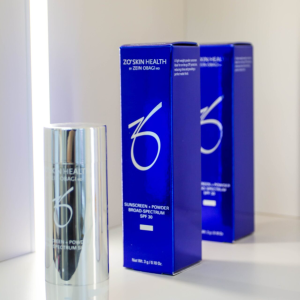
Daily SPF is essential, but it is only one part of the picture. A common mistake patients make is relying solely on sunscreen while neglecting the overall health of their skin.
Effective prevention usually includes:
- Broad-spectrum SPF used daily, even in the UK climate
- Antioxidant skincare to neutralise free radical damage
- Barrier-supporting products to keep skin resilient
- Avoidance of excessive sun exposure, particularly during peak hours
For patients who are already showing early signs of sun damage, prevention also means stopping progression. This is where targeted skincare and, in many cases, laser treatments come in.
Skincare vs laser: what is the difference?
Patients often ask whether they should invest in skincare or go straight to laser. The answer depends on the severity of the damage and what you are trying to correct.
Skincare: the foundation of prevention and early treatment
Medical-grade skincare works gradually and consistently. It is essential for both preventing and maintaining results.
What does skincare actually do?
Targeted skincare can:
- Regulate pigment production
- Stimulate mild collagen renewal
- Improve skin texture and hydration
- Protect against ongoing UV and environmental damage
How is it used in practice?
For milder cases we would usually start with skincare alone. This might include:
- Vitamin C serums for antioxidant protection
- Retinoids to improve cell turnover and collagen production
- Pigment inhibitors such as tranexamic acid or azelaic acid
- Daily SPF as a non-negotiable
In the clinic, we often adjust routines over time. If pigmentation is not settling or if texture remains uneven, we would normally look at introducing in-clinic treatments alongside skincare.
Who is skincare suitable for?
- Early sun damage
- Uneven skin tone without deep pigmentation
- Patients looking for prevention
- Maintenance after laser treatments
Benefits of skincare
- Non-invasive
- Gradual, natural improvement
- Supports long-term skin health
- Essential for maintaining any in-clinic results
That said, skincare alone has its limits.
When is laser the better option?
Laser treatments work at a deeper level and are designed to target specific components of sun damage more efficiently.
We often see patients who have been using good skincare for years but still feel their skin looks dull, pigmented, or aged. This is usually where laser becomes the more effective option.
Laser resurfacing for sun damage
Laser resurfacing uses controlled energy to remove damaged skin cells and stimulate regeneration. It can be fractional or ablative depending on intensity.
How is it performed?
The laser is passed over the skin, delivering precise energy into targeted areas. This triggers a healing response, encouraging new, healthier skin to form.
Who is it suitable for?
- Moderate to advanced sun damage
- Uneven texture and rough skin
- Fine lines caused by sun exposure
- More established pigmentation
Benefits
- Improves skin tone and clarity
- Stimulates collagen production
- Reduces fine lines and roughness
- Delivers more noticeable results than skincare alone
Laser vs skincare: which works best?
This is where experience really matters.
In reality, it is rarely a case of choosing one over the other. The best results almost always come from combining both.
Why combination treatment works better
- Skincare prepares the skin and improves baseline health
- Laser targets deeper, more stubborn damage
- Skincare then maintains and enhances results
A common pattern we see is patients who undergo laser without proper skincare. Their results can fade more quickly, or new pigmentation develops.
Equally, patients relying only on skincare may plateau and feel their skin is no longer improving.
How do we decide which treatment to use?
Treatment choice depends on several factors:
- Depth and type of pigmentation
- Presence of redness or vascular changes
- Skin type and sensitivity
- Lifestyle factors such as sun exposure
In clinic we assess the skin in detail before recommending a plan. This is particularly important for sun damage, as treating it incorrectly can sometimes worsen pigmentation.
What does a typical treatment plan look like?
While every patient is different, a common approach might include:
- Initial skincare phase
To stabilise the skin and improve its overall condition - Laser sessions
To target pigmentation, redness, and texture - Maintenance phase
Continued skincare to preserve results and prevent recurrence
For milder cases, skincare alone may be enough. For more advanced sun damage, laser becomes the key treatment, with skincare supporting it.
Can sun damage be completely reversed?
This is one of the most common questions we hear. The honest answer is that it can be significantly improved, but not always completely erased.
What we can achieve in many cases is:
- Brighter, more even skin tone
- Reduction in visible pigmentation
- Smoother texture
- Healthier, more resilient skin
The earlier we intervene, the better the outcome tends to be.
Does location or lifestyle affect results?
Yes, more than many patients realise.Even in cities like Liverpool, London, and Manchester, UV exposure accumulates over time. It is not just about holidays or intense sun. Daily incidental exposure plays a significant role.
Patients who travel frequently, spend time outdoors, or use sunbeds are more likely to see faster progression of sun damage.
Frequently Asked Questions
Is SPF enough to prevent sun damage?
SPF is essential, but on its own it is not enough. It should be combined with antioxidants and good skincare for optimal protection.
Is laser safe for all skin types?
Not all lasers are suitable for every skin type. Treatment must be tailored carefully to avoid complications such as post-inflammatory pigmentation.
How many laser sessions are needed?
This varies. Some patients see improvement after one session, but most require a course of treatments for optimal results.
Can sun damage come back after treatment?
Yes, if preventative measures are not maintained. Ongoing SPF and skincare are crucial.
Is there downtime with laser treatments?
This depends on the type of laser used. Some treatments have minimal downtime, while others may involve a few days of redness or peeling.
Taking the next step
If you are starting to notice uneven tone, pigmentation, or changes in skin texture, addressing sun damage early makes a significant difference.
At Dr Yusra Clinic, we take a tailored approach to every patient, combining advanced laser treatments with carefully selected skincare to deliver natural, long-term results. Treatments are available across our clinics in Liverpool, London, and Manchester, with personalised plans designed around your skin and lifestyle.
Book a consultation at one of our clinics near you. We will assess your skin properly and guide you towards the most appropriate approach, whether that is skincare, laser, or a combination of both.
Award-Winning Aesthetic Excellence
Dr. Yusra Al-Mukhtar has been recognised as the Best Medical Aesthetic Practitioner of the Year for three consecutive years; a prestigious honour awarded based on exceptional clinical expertise, patient outcomes, safety standards, and dedication to aesthetic excellence. She is also the first medical practitioner to be inducted into the Aesthetic Medicine Wall of Fame.
At Dr. Yusra Clinic, we are equally proud to be named Best Aesthetic Clinic in the North of England and Best Clinical Team, both three times.

Dr Yusra Al-Mukhtar
Dr Yusra is a distinguished dental surgeon and a skilled medical aesthetic clinician with a wealth of experience in maxillofacial head and neck surgery and skin cancer surgery. She holds an impressive academic background, having graduated with first-class honours in Medical Science and Healthcare Management from Imperial College London and earned Honours and Distinction as a dental surgeon from King’s College London.Dr Yusra is a Level 7 Trainer in medical aesthetics, in line with Ofqual guidelines, and is renowned for her expertise in providing natural-looking non-surgical facelifts and a range of aesthetic treatments. Her commitment to patient well-being and safety is unwavering, making her a trusted practitioner in the field.