Contact Lens Veneers Explained: Are Ultra-Thin Veneers Right for Your Smile?
Posted on 4th August 2026 by Dr Yusra Al-Mukhtar
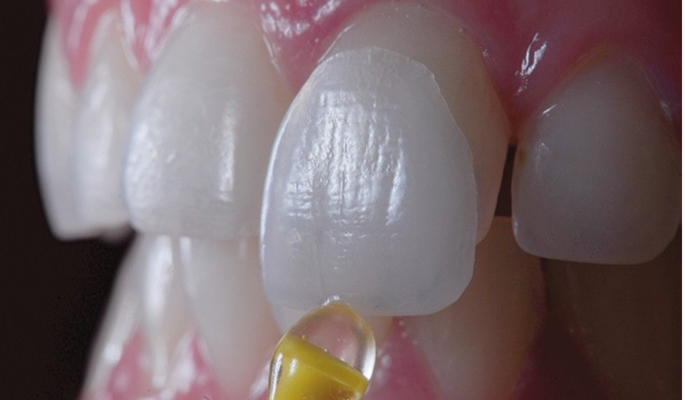
For many years, cosmetic dentistry was often associated with dramatic smile makeovers and perfectly uniform “Hollywood” teeth. Today, however, patients are increasingly seeking a different kind of result. Rather than transforming their smile completely, they want subtle improvements that look natural, complement their facial features and preserve as much healthy tooth structure as possible.
This shift has led to growing interest in contact lens veneers. Often described as ultra-thin porcelain veneers, they have become one of the most talked-about cosmetic dental treatments, particularly among patients looking for a minimally invasive way to improve their smile.
At Dr Yusra Clinic, our approach to cosmetic dentistry has always centred on achieving beautiful, natural-looking results while preserving healthy teeth wherever possible. Rather than recommending one treatment for every patient, we believe every smile deserves an individual assessment. What works beautifully for one person may not be the most appropriate option for another.
So, are contact lens veneers really the conservative solution they’re often claimed to be? In this guide, we’ll explore what they are, why they’ve become so popular and, most importantly, why careful treatment planning matters far more than veneer thickness alone.
What Are Contact Lens Veneers?
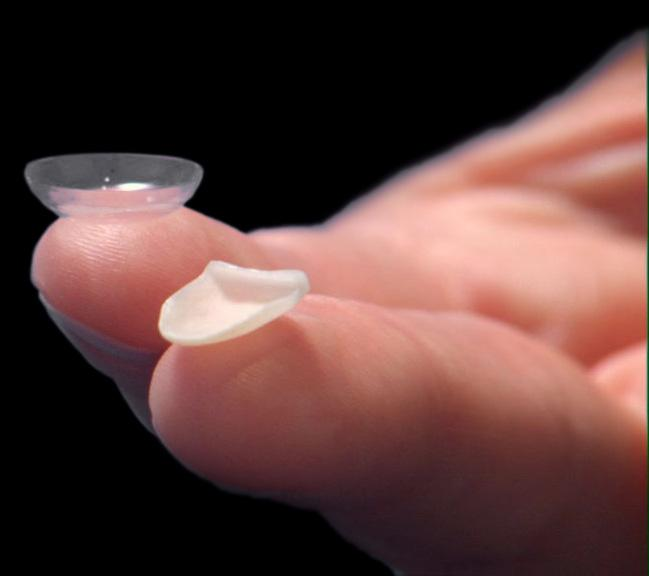
Despite the name, contact lens veneers have nothing to do with contact lenses themselves. The term simply refers to extremely thin porcelain veneers, so called because some are similar in thickness to a contact lens.
Like traditional porcelain veneers, they are individually designed to improve the appearance of the front teeth by refining their shape, size, colour and overall symmetry. They may also be used to improve small chips, uneven edges, minor gaps and certain types of discolouration.
Their defining characteristic is their minimal thickness. In suitable cases, this means they can sometimes be bonded with little or no preparation of the natural tooth.
However, this should not be mistaken for a guarantee. Whether preparation is needed depends entirely on the individual smile, and successful treatment is about much more than simply placing the thinnest veneer possible.
Why Are Contact Lens Veneers Becoming So Popular?
The popularity of contact lens veneers reflects a wider change in modern cosmetic dentistry.
Advances in ceramic materials and adhesive techniques mean that many cosmetic improvements can now be achieved more conservatively than ever before. At the same time, aesthetic preferences have evolved. Rather than asking for perfectly white, identical teeth, many patients now want smiles that look healthy, balanced and naturally attractive.
As a result, treatments that preserve healthy tooth structure have become increasingly desirable.
Contact lens veneers fit well within this philosophy because they allow carefully selected patients to make subtle refinements without unnecessarily altering healthy enamel. However, conservative dentistry is not simply about removing less tooth tissue. It is about choosing the treatment that provides the healthiest, most predictable long-term outcome for each individual.
Are Contact Lens Veneers Really “No-Prep”?
One of the biggest misconceptions surrounding contact lens veneers is that they can always be fitted without shaving or preparing the teeth. While this is possible in some cases, the phrase “no-prep veneers” can be misleading. Every smile is different. Factors such as tooth position, bite, enamel thickness, tooth colour and the overall smile design all influence whether little or no preparation is appropriate.
For example, adding even an ultra-thin veneer to a tooth that already sits slightly forwards may make it appear bulky. Similarly, a darker tooth may require a slightly thicker veneer to achieve a natural-looking shade. In situations like these, removing a very small amount of enamel may actually create a more harmonious and predictable result while still preserving the vast majority of the natural tooth.
The aim is therefore not simply to avoid preparation altogether, but to preserve healthy tooth structure wherever it is clinically appropriate.
Why Every Smile Needs a Different Approach
One of the reasons cosmetic dentistry is so personalised is that two patients with similar concerns may require completely different treatments.
For example, someone with small gaps between otherwise healthy front teeth may be an excellent candidate for contact lens veneers. Another patient with similar spacing caused by tooth movement may achieve a better long-term result with Invisalign® before veneers are even considered.
The same principle applies to tooth colour. Mild staining may respond beautifully to professional teeth whitening, while more significant discolouration may require porcelain veneers to achieve a predictable colour match.
Rather than asking, “Which veneer is best?”, at Dr Yusra we take a different approach: “What is causing the concern, and what is the most conservative way of treating it?” This approach leads to healthier, longer-lasting results than selecting a treatment based solely on popularity or marketing claims.
When Contact Lens Veneers Aren’t the Right Choice
Although contact lens veneers can produce exceptional results, they are not the most appropriate solution for every smile. One of the hallmarks of experienced cosmetic dentistry is knowing when another treatment may provide a healthier or more predictable outcome.
If tooth colour is the main concern, professional teeth whitening may be all that is needed. Small chips or minor shape irregularities may be more effectively treated with composite bonding, while crowding or spacing may first benefit from Invisalign® to reposition the teeth. In more complex cases, traditional porcelain veneers may offer greater flexibility for achieving the desired result.
The most conservative treatment is not always the one that removes the least enamel. It is the one that addresses the underlying concern while preserving the health, function and longevity of the teeth.
How Long Do Contact Lens Veneers Last?
Contact lens veneers are designed to be a long-term investment in your smile rather than a temporary cosmetic treatment. While they will not last forever, modern porcelain is exceptionally durable and highly resistant to everyday staining when properly cared for.
How long they last depends on several factors, including:
- maintaining good oral hygiene
- attending regular dental examinations and hygiene appointments
- protecting your teeth if you clench or grind
- avoiding excessive biting forces
- maintaining healthy gums
Although porcelain is highly stain resistant, it cannot be whitened like natural teeth. This is why whitening, if required, is usually completed before veneers are made so the final shade can be matched accurately.
Just as importantly, veneers improve the appearance of the teeth but do not prevent decay or gum disease. Looking after your oral health remains essential for protecting both your veneers and your natural teeth.
Frequently Asked Questions
Can you have just one contact lens veneer?
Yes. While veneers are often placed on several front teeth to improve overall smile symmetry, a single veneer may be appropriate if only one tooth requires treatment. The aim is always to achieve a seamless match with the surrounding teeth.
Do contact lens veneers feel different from natural teeth?
Once bonded and adjusted correctly, they should feel smooth and comfortable. Most patients adapt to them very quickly and find they feel much like their natural teeth.
Can you eat normally with contact lens veneers?
Yes. Once the veneers have been bonded, you can enjoy a normal diet. As with natural teeth, it is sensible to avoid biting very hard objects such as ice or using your teeth to open packaging.
What happens if a veneer chips?
Although porcelain is extremely strong, veneers can occasionally chip following trauma or excessive force. Depending on the extent of the damage, your dentist will advise whether it can be repaired or whether replacement is the better option.
Will contact lens veneers look obvious?
The best veneers should never look obvious. When carefully designed, they enhance the natural proportions, colour and character of your smile so that people notice you look refreshed rather than noticing the veneers themselves.
Looking Beyond the Veneer
Contact lens veneers represent an exciting development in modern cosmetic dentistry, but their success is not defined simply by how thin they are. It depends on careful planning, appropriate case selection and understanding which treatment will achieve the healthiest long-term result for each individual patient.
For some people, ultra-thin veneers may be the ideal way to refine the shape, colour or symmetry of their smile while preserving healthy tooth structure. For others, treatments such as composite bonding, Invisalign®, professional teeth whitening or traditional porcelain veneers may provide a more predictable outcome.
At Dr Yusra Clinic, we believe the best cosmetic dentistry is rarely about changing your smile completely. It is about making carefully considered improvements that look natural, complement your facial features and stand the test of time. Every treatment recommendation is tailored to the individual, ensuring your smile not only looks beautiful but also functions comfortably for years to come.
If you’re considering contact lens veneers, book a consultation with our experienced team in London, Liverpool or Manchester. We’ll take the time to understand your goals, assess your smile and discuss the treatment options that are most appropriate for you.

Dr Yusra Al-Mukhtar
Dr Yusra is a distinguished dental surgeon and a skilled medical aesthetic clinician with a wealth of experience in maxillofacial head and neck surgery and skin cancer surgery. She holds an impressive academic background, having graduated with first-class honours in Medical Science and Healthcare Management from Imperial College London and earned Honours and Distinction as a dental surgeon from King’s College London.Dr Yusra is a Level 7 Trainer in medical aesthetics, in line with Ofqual guidelines, and is renowned for her expertise in providing natural-looking non-surgical facelifts and a range of aesthetic treatments. Her commitment to patient well-being and safety is unwavering, making her a trusted practitioner in the field.